As digital platforms continue to dominate the media landscape in 2026, satire media faces new challenges and opportunities in maintaining relevance and reach. Comedy formats, known for their sharp social commentary and inventive storytelling, are evolving in response to increasingly complex platform algorithms that govern content visibility and audience engagement.
Shifting dynamics of satire media on digital platforms
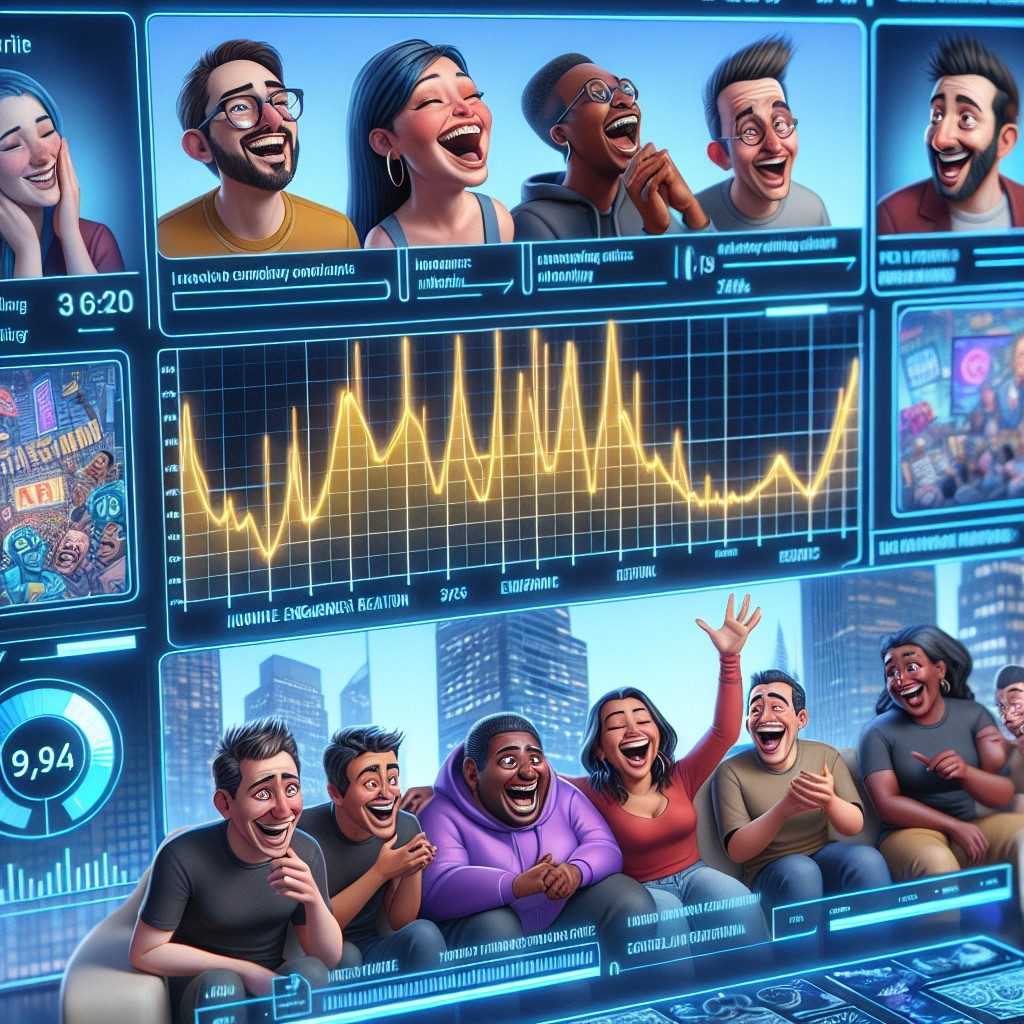
In 2026, satire media creators must navigate algorithmic systems designed to prioritize user engagement metrics, such as watch time, shares, and comments. These algorithms influence how satire content is distributed, often favoring formats that generate quick and repeated interactions. Consequently, long-form satirical pieces have moved towards more segmented content delivery, with creators producing shorter sketches or serialized formats to align with platform preferences.
Platform-specific adaptations in comedy formats
Different platforms emphasize varying algorithmic criteria, which significantly affects how satire media is crafted. For instance, short-form video platforms prioritize catchy, rapidly consumable content, encouraging satire to adopt punchier and more visually engaging formats. Meanwhile, streaming services with algorithms favoring subscriber retention have led to the resurgence of longer satirical series that build narrative depth over episodic arcs. This diversification reveals a strategic adaptation by satire media producers to maximize audience reach across multiple digital environments.
Balancing satire’s critical edge with algorithm demands
One challenge for satire media in 2026 is preserving its incisive critical perspective while conforming to algorithmic constraints. Platforms often algorithmically discourage polarizing or controversial content, resulting in satire that sometimes softens its commentary to avoid reduced visibility or demonetization. However, creators have developed nuanced techniques to embed critique subtly within humor, aligning with platform guidelines without compromising the core satirical message. This balancing act is essential for satire media sustainability in today’s digital ecosystem.
Monetization and audience engagement trends
Monetization models have also shaped the way satire media evolves under algorithmic influence. With advertising revenue linked to performance metrics, satire formats increasingly integrate interactive elements such as live polls or audience comments to boost engagement. Some creators have embraced subscription-based models on platforms where algorithms reward consistent viewer loyalty, enabling a more stable funding source that supports creative experimentation beyond algorithmic pressures. These changes reflect a broader shift in the business models supporting satire media in the streaming age.
The role of artificial intelligence in content creation and curation
The growing integration of artificial intelligence (AI) in content recommendation and creation is another significant factor shaping satire media in 2026. AI-driven tools assist creators in tailoring content that resonates with target audiences while adhering to algorithmic behavior patterns. Additionally, AI curation influences what satire media users encounter, potentially creating echo chambers or limiting exposure to diverse perspectives. Industry stakeholders actively debate these implications as they work to refine AI systems to better support nuanced comedic content.
In conclusion, satire media in 2026 operates at the intersection of creative expression and technological innovation. Comedy formats have adapted strategically to platform algorithms by modifying content length, style, and engagement methods, while balancing the need for critical voice and audience reach. The continued evolution of these dynamics will likely shape the future of satire, as creators negotiate the complexities of digital distribution and monetization. satire media remains a vital cultural instrument, adapting to ensure its survival and effectiveness in informing and entertaining public discourse through humor. For more comprehensive insights into the media industry’s transformation, established news organizations like satire media provide ongoing analysis and reportage.
Frequently Asked Questions about satire media
What is satire media and how is it defined in 2026?
Satire media in 2026 refers to digital and traditional content that uses humor, irony, and exaggeration to critique social and political issues, often distributed via online platforms with algorithm-driven reach.
How do platform algorithms affect the production of satire media?
Algorithms impact satire media by dictating content visibility based on engagement metrics, leading creators to adapt formats to gain optimal exposure while balancing original satirical intent.
Are there risks for satire media when adapting to platform algorithms?
Yes, adapting to algorithms can result in diluted critical messages or self-censorship in satire media to avoid reduced visibility or monetization penalties from platforms.
What new comedy formats have emerged in satire media due to algorithmic influence?
Shorter sketches, serialized satirical series, and interactive formats have become prominent comedy forms within satire media to align with algorithmic preferences for engagement.
How is AI shaping the future of satire media?
AI influences satire media through content recommendation algorithms and creative assistance tools, affecting both audience exposure and the production of tailored satirical content.